A Practical Guide to Linen Care: Caring for Organic Linen Bedding and Sheets
Explore practical, non-commercial guidance on caring for organic linen bedding and sheets. This introductory guide covers washing, drying, and storage best practices to maintain softness, longevity, and breathability. Drawing on the timeless qualities of linen and the standards that govern organic textiles, this article offers editorial, reader-friendly advice with actionable steps you can implement today.
Why Linen Demands Special Care
Linen, derived from flax fibers, carries a storied pedigree in textile history. Its natural properties—breathability, moisture-wicking, and temperature regulation—make linen bedding a beloved choice for warm climates and year-round comfort. Unlike many synthetic fabrics, linen has a dynamic relationship with washing and air exposure. It becomes softer and more comfortable with use, not with chemical treatments. Understanding this relationship helps you approach care with respect for the fabric’s biology.
Organic linen, specifically, emphasizes fiber sourcing and processing that align with ecological and human health standards. When a linen sheet or duvet cover is labeled GOTS-certified or organic, it reflects a commitment to reduced pesticide exposure, responsible dyeing, and transparent supply chains. We’ll reference these standards as you navigate care routines, so your textiles stay harmonious with their ethical pedigree.
Washing: How to Preserve Texture, Color, and Breathability
Washing linen is not about making it look perfectly pristine; it's about restoring its natural character while preserving its structural integrity. Here is a practical approach to washing organic linen bedding and sheets.
- Sort and prep: Wash linen items with similar colors. Close zippers and buttons to prevent snagging. If you’re washing stone-washed or garment-washed finishes, treat them the same—avoid aggressive agitators that could fray the fibers.
- Detergent choice: Use a mild, enzyme-free detergent or a plant-based detergent. Harsh detergents or brighteners can leave residue and alter the fabric’s hand over time.
- Water temperature: Use cool to warm water (not hot) to help maintain color and fiber integrity. Avoid high heat that can shrink or degrade the linen’s natural strength.
- Detergent amount: Use a moderate amount. Linen’s porous structure needs only enough detergent to lift soils without leaving a filmy residue that can stiffen the fabric.
- Fabric softeners and additives: Ban or minimize fabric softeners. Linen benefits from air or tumble-drying with low heat rather than chemical softeners that can coat fibers and reduce breathability.
- Rinsing: Ensure a thorough rinse. Residual detergent can build up over time and affect the fabric’s hand and absorbency.
If you’re dealing with garment-washed finishes or pre-washed linens, the washing steps remain similar, but you may notice a softer hand from the outset. Garment-washed linen is designed to be softer immediately, though it will continue to relax with subsequent washes.
Drying: Air-Dry vs. Machine Drying
Air-drying linen is a favored method for many linen lovers. It preserves the fabric’s natural texture and avoids heat-related shrinkage. When air-drying, lay items flat or hang them in a well-ventilated area out of direct sunlight to prevent color fading and fiber weakening.
- Air-drying tips: Shake out wrinkles gently, avoid heavy wringing, and allow adequate space for air to circulate.
- Machine drying with care: If you choose a tumble dryer, use a low heat setting and remove items while slightly damp to reduce wrinkling. A quick tumble with a dry towel can help reduce wrinkles without over-drying.
- Stone-washed and garment-washed linens: These finishes tend to soften with each wash. Excessive heat or aggressive drying can flatten that character, so calibrate your dryer settings accordingly.
Ironing and Finishing: When to Press and How
Ironing linen is a personal preference. Linen’s natural texture benefits from a light touch, and many prefer a slightly relaxed look without aggressive pressing. If you do iron, consider the following:
- Iron when linen is slightly damp to help ease wrinkles and reduce energy use.
- Use a medium to high heat setting with a steam option for crisp edges on pillowcases and duvet covers.
- Turn the fabric inside out for tricky seams to preserve finish quality on the outside.
Storage: Keeping Linen Fresh Between Uses
Store linen bedding in a cool, dry, well-ventilated space. Avoid plastic containers that trap moisture and encourage musty odors. Consider breathable cotton storage bags or a clean, dry linen closet. Seasonal rotation helps prevent long-term creasing, and a light spritz of linen-safe deodorizing spray can refresh between washes if needed.
A Closer Look at GOTS and Organic Linen
Global Organic Textile Standard (GOTS) certification is a widely recognized benchmark for organic textiles. When you see a GOTS label on linen bedding, you’re looking at a product that adheres to high standards of environmental and social responsibility—from the cultivation of flax to the processing and dyeing of fibers. Organic linen in particular emphasizes reduced chemical inputs, fair labor practices, and a transparent supply chain. This level of certification gives buyers confidence that the textile’s performance aligns with ecological values while ensuring skin-friendly fibers for sensitive sleepers.
Beyond certifications, the origin story of linen matters. Linen’s fiber length and structure can influence texture and durability. Fabrics woven from higher-quality flax grown in France, Belgium, or Lithuania, then processed in Portugal or Spain, often exhibit a refined drape and a homely, breathable feel that improves with gentle use and regular washing.
Glossary: Key Terms You’ll Encounter
As you shop or read care guides, you’ll encounter these terms often. Here are concise explanations to keep you informed without the jargon:
- Garment-washed: A finishing process that pre-softens fabric, giving linen a relaxed hand and vintage denim-like character.
- Deep pocket: A fitted sheet design with an extra-deep pocket to accommodate thicker mattresses and ensure a secure fit.
- GOTS: Global Organic Textile Standard, the leading textile processing standard for organic fibers.
- Stone-washed: A finishing method that softens linen by mechanical washing with stones or equivalent processes.
- Pick stitching: A decorative stitch detail near the cuffs or edges that adds a subtle texture cue.
- Breathability: The fabric’s ability to allow air and moisture to pass through, contributing to temperature regulation.
A Practical Starter Kit: A Sample Bedding Setup
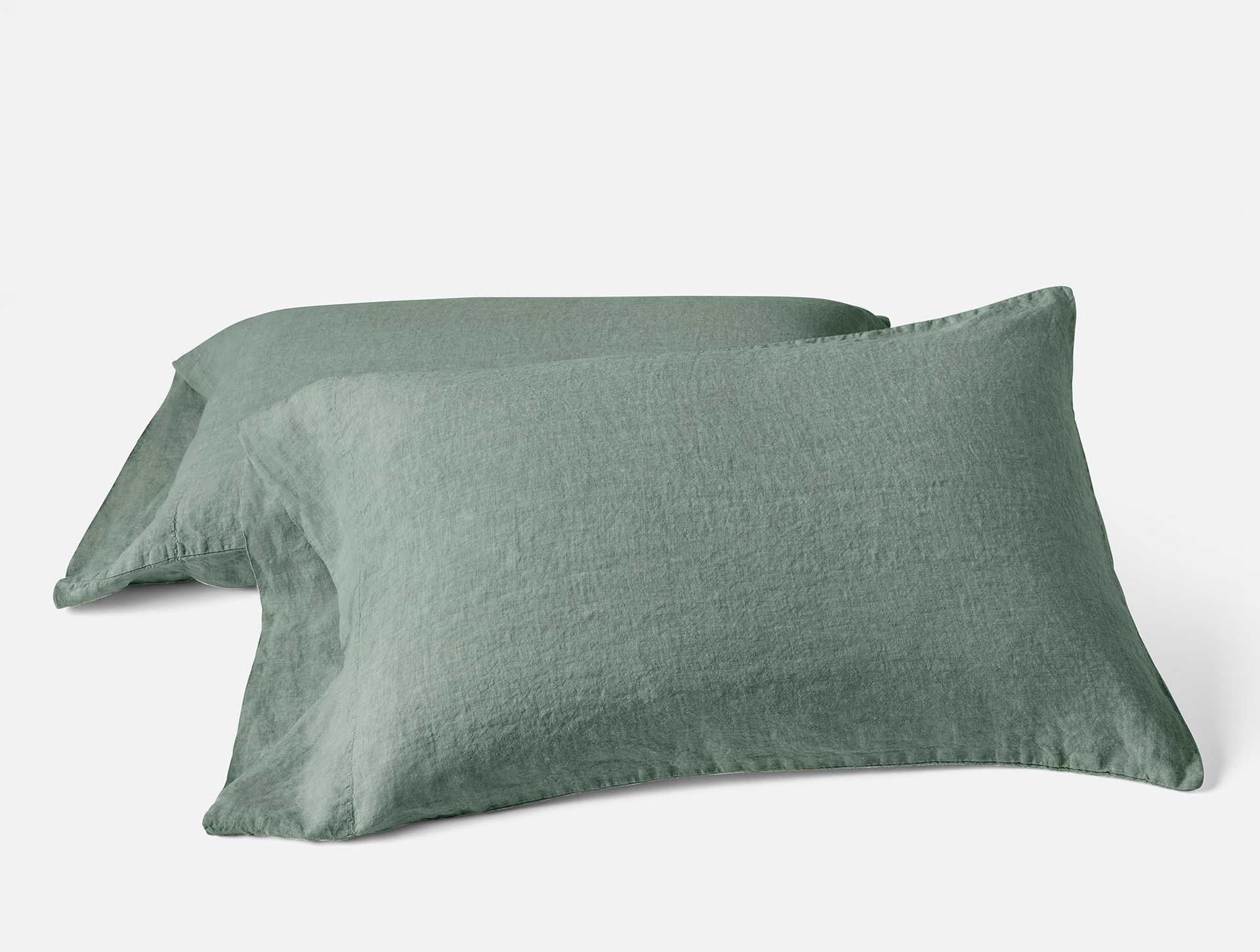
For readers who want a concrete starting point, consider this minimal, practical setup using organic linen basics. You’ll find a 15-inch deep pocket fitted sheet for secure sleep, a duvet cover with a relaxed linen hand, and two pillowcases designed with pick stitching for a finished look. This combination supports year-round comfort and easy care, especially when paired with a breathable, stone-washed linen sheet set from a reputable supplier.
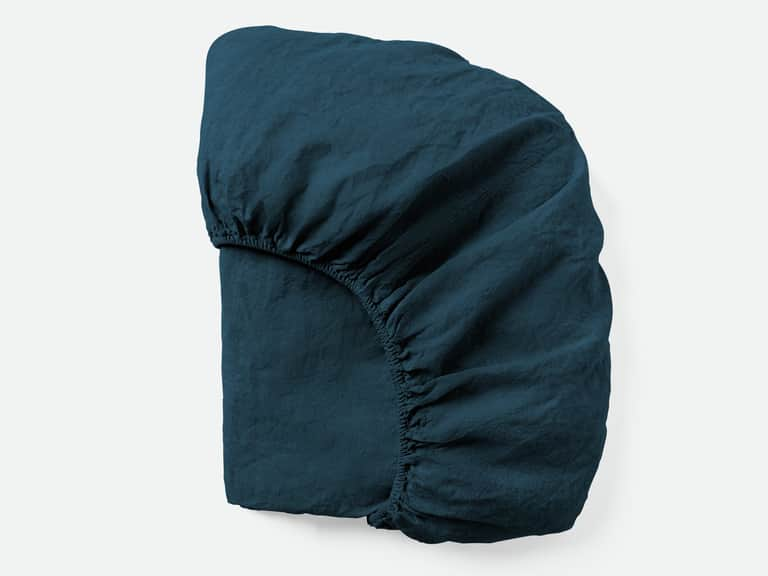
In our featured product line, the Organic Relaxed Linen Fitted Sheet stands out as a reliable option. Made from 100% organic flax grown in France and woven in Portugal, this fitted sheet offers a breathable foundation, a 15-inch deep pocket, full elastic, and pick-stitched cuffs for a refined finish. It’s machine washable in cold water with like colors and tumble dried on low. For best results, use a plant-based detergent and consider gentle wool dryer balls. This product carries a GOTS certification, signaling organic integrity across the supply chain.
Product spotlight: Organic Relaxed Linen Fitted Sheet (Coyuchi). This sheet embodies the mix of environmental responsibility and everyday practicality we champion in Green Linen Supply’s editorial focus. It demonstrates how organic linen can be both luxurious and durable, offering comfort that improves with each wash while staying true to sustainable standards.
A Brief Note on Time-Traveling Figures Who Loved Linen Care
To honor the timeless care ethos that linen invites, let’s introduce three key individuals from different eras whose work, passions, or advocacy illustrate the enduring relationship between textiles and daily living.
-
Hypatia of Alexandria (c. 350–370 CE) — A scholar and thinker who embodied meticulous inquiry and careful preservation of knowledge. While not a linen specialist by trade, Hypatia represents the ancient tradition of meticulous study—an attitude echoed in the careful care linen practitioners apply to fabrics and textiles across generations.
-
Florence Nightingale (1820–1910) — A pioneering nurse and reformer whose attention to hygiene and meticulous record-keeping reshaped medical practice. Her legacy echoes in modern textile care standards and the emphasis on clean, well-maintained linens for health and comfort.
-
Dorothy Draper (1889–1969) — A designer who helped shape modern interior aesthetics, celebrating textiles, texture, and color in ways that elevated linen’s presence in households and hospitality spaces. Draper’s approach to fabric texture and room ambiance resonates with the linen care ethos: timeless, practical elegance that ages gracefully.
These figures, though separated by centuries, share a thread: care, discipline, and appreciation for textiles that endure. In a modern context, their spirit can guide readers toward a disciplined, informed approach to linen care—one that respects the fiber’s properties, honors sustainable sourcing, and embraces the quiet luxury of well-maintained linens.
A Minimal, Editorial Approach to Content Creation
In line with the educational, non-commercial direction, this guide prioritizes practical knowledge and credible sourcing. It avoids promotional language and focuses on actionable guidance, terminology clarity, and references to industry standards such as GOTS and linen fiber properties. The goal is to empower readers—homeowners, hobbyists, and educators—to care for linen bedding with confidence, while appreciating its history and sustainable potential.
Further Reading and Resources
To deepen understanding, consult credible sources on linen care, textile certifications, and sustainable textile standards. Look for guidelines from GOTS-certified brands, textile research organizations, and reputable linen mills. A well-curated glossary and an accessible care calendar can also serve as practical tools for households looking to maintain their linen collection with minimal guesswork.
If you’d like a detailed 12-week publishing plan or a printable linen care calendar, I can provide a structured content roadmap to support SEO and reader engagement while staying true to the site’s educational, non-commercial identity.
Product Highlight: Organic Relaxed Linen Fitted Sheet
Organic Relaxed Linen Fitted Sheet — 100% organic flax linen from France, woven in Portugal.
Depth: 15 inches; Elastic: full; Finish: pick-stitched cuffs. Certifications: GOTS. Care: Machine wash cold with like colors; tumble dry low; warm iron if desired. Plant-based detergent recommended.
Organic Relaxed Linen Fitted Sheet (Coyuchi)
Origin: Flax grown in France; Linen woven in Portugal.
Note: This product is featured as a representative example of organic linen that prioritizes breathability, durability, and sustainable processing. Images shown are representative and may vary by batch.
Conclusion: Caring for Organic Linen Bedding as a Daily Ritual
Organic linen bedding is more than a fabric choice; it is a daily ritual of care that honors the fiber’s natural properties and the people who cultivate, spin, weave, and finish the linen. By washing with gentle detergents, avoiding aggressive chemical softeners, air-drying when possible, and storing with breathability in mind, you sustain the fabric’s breathability, texture, and longevity. The care you invest today yields softer, more comfortable linens that perform season after season, year after year.
As you explore linen care further, keep in mind the three pillars of responsible linen care: respect for the fiber’s natural texture, alignment with organic and ethical standards, and practical, non-promotional guidance that empowers readers to make informed decisions. The path to durable, breathable linen begins with a single, well-informed wash.